
Throughout the years, I have connected with over 12,000 staff from a plethora of organizations and systems. One of the biggest challenges I have witnessed across organizations is this: staff are not applying the principles of trauma-informed care to their interactions with each other.
SAMHSA (2014) highlights the following principles in their model of trauma-informed care:
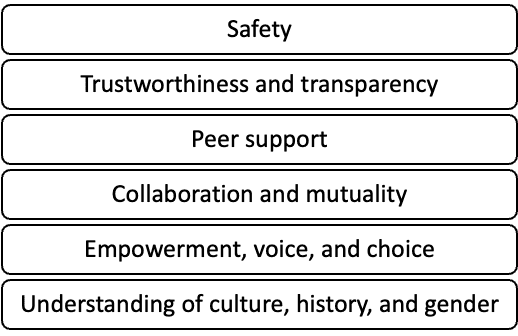
Most organizations understand these principles and attest to their importance in work with clients and community members. But when it comes to staff interactions, organizations are missing the mark.
This is baffling. We know that 80% of people in the US have experienced trauma (Courtois, 2014). This includes not only our clients and community members, but staff and administrators as well. Many organizations do an excellent job of applying the principles of trauma-informed care to their interactions with clients, but when it comes to staff interactions, the work environment is toxic.
If this rings true for you and your organization, consider these questions:
What traumas do you and other staff bring into the workplace?
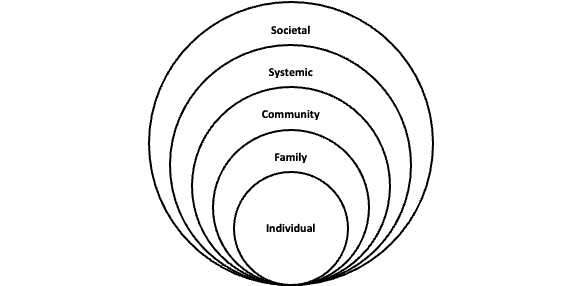
What additional stressors, crises, and traumas do you experience in the workplace?
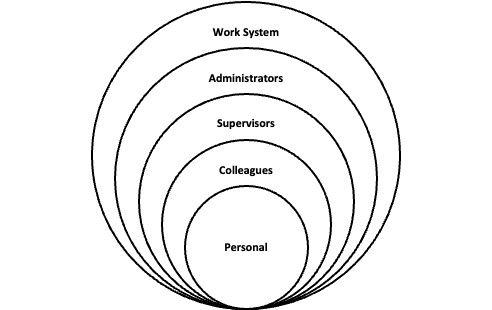
Do staff apply the same principles of trauma-informed care to their interactions with each other that they use with clients and community members? If not, what is preventing staff from doing this?
Do staff see the same strengths in each other that they see in clients and community members? If not, why?
What steps can the organization collectively take to make a change?
Bibliography
Courtois, C. (2014) It’s not you, it’s what happened to you. Longboat Key: Telemachus.
Substance Abuse Mental Health Services Administration. (2014). SAMHSA’s Concept of
Trauma and Guidance for a Trauma-Informed Approach. U.S. Department of Health and Human Services. Retrieved from https://ncsacw.samhsa.gov/userfiles/files/SAMHSA_Trauma.pdf.
