
Reflections on Wounded Healing
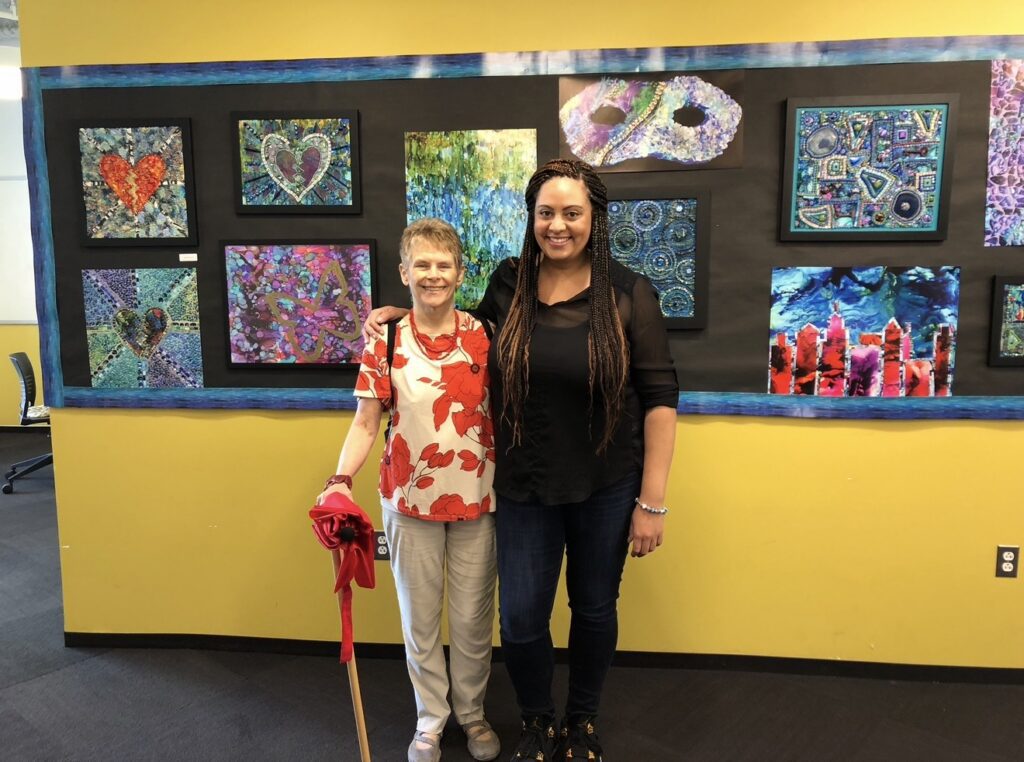
I first learned about the wounded healer archetype in my therapeutic work with Anne Ream. Anne (may she rest in peace) was my art therapist. Anne told me that I was a wounded healer. She said that she was too. I didn’t fully understand wounded healing when Anne first introduced the idea to me, but years later I now have a deep appreciation for the concept. If Anne was here today, I would tell her, “I think I know what a wounded healer is now, Anne. We are a community of people with cuts and scrapes and scars who use what we’ve been through to help other people. We aren’t perfect. We don’t have it all together. But we use our pain as a tool. Because we’ve walked through the darkness too, our work is powerful and real.”
Psychoanalytic theorist and Freud contemporary Carl Jung is credited with naming and popularizing the idea of the “wounded healer.” The wounded healer is what Jung referred to as an “archetype.” Jung said of the wounded healer archetype, “The doctor is effective only when he himself is affected. Only the wounded physician heals” (as cited by Merchant, 2012 p. 6). Jung added, “It is the [physician’s] own hurt that gives the measure of his power to heal” (as cited by Kirmayer, 2003 p. 271).
A wounded healing approach offers many benefits to both helpers and clients. Benefits include the following:
- Wounded healing acknowledges the shared experiences of suffering and healing in the lives of both clinicians and clients (Zerubavel & Wright, 2012, p. 482).
- The wounded healer paradigm destabilizes the power dynamics that are often at play in clinician-client relationships.
- A clinician’s wounds can provide deeper insight into clients’ experiences, strengthening and enhancing therapeutic work.
- When professionals embrace their identity as wounded healers, they normalize the universality of woundedness and reduce stigma and shame for clients.
- The wounded healer paradigm offers clients hope; it demonstrates that even in the midst of trauma and suffering, healing is possible.
- Wounded healing makes space for clinicians to be personally and professionally transformed by their work.
Despite these benefits, there are also risks in adopting this approach. These risks can be divided into three categories: negative consequences for clients, negative consequences for clinicians, and complications in the therapeutic relationship. Professionals should always consider their ethical codes, practice contexts, the individual needs of each client, and the potential risks and benefits of this approach.
In my own practice as a wounded healer, I would offer five recommendations to support those who are interested in applying the wounded healer paradigm to their own practice:
- Know yourself
- Expect the unexpected
- Make space for vulnerability and emotional safety
- Be the coach, not the hero
- Prioritize “good enough” practice, not perfection
To learn more about wounded healing, read my full journal article entitled “I am a wounded healer: From personal pain to therapeutic tool,” published in the Journal of Poetry Therapy (https://www.tandfonline.com/doi/full/10.1080/08893675.2026.2699316).
References
Corrado, M. (2026). I am a wounded healer: From personal pain to therapeutic tool. Journal of
Poetry Therapy. DOI: 10.1080/08893675.2026.2699316
Merchant, J. (2012). Shamans and analysts: New insights on the wounded healer. London:
Routledge. DOI:10.4324/9780203610657
Kirmayer, L. (2003). Asklepian dreams: The ethos of the wounded-healer in the clinical
encounter. Transcultural Psychiatry, 40 (2), 248-277. DOI: 10.1177/136346150340200
Zerubavel, N., Wright, M. (2012). The dilemma of the wounded healer. Psychotherapy, 49 (4),
482-491. https://doi.org/10.1037/a0027824
